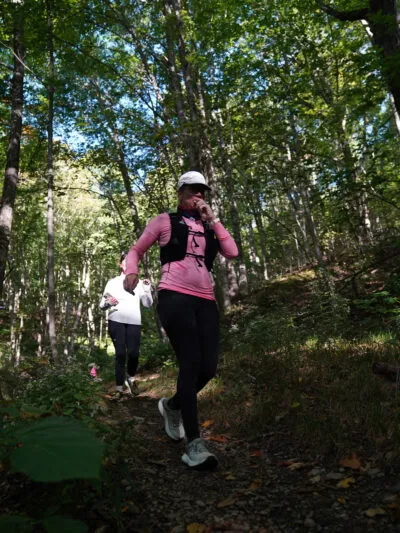
As most runners know, there’s no better feeling out there than finishing a tough run or workout. Your muscles may be sore and tired but you have a strong sense of accomplishment and can’t wait to get a cold drink, take a shower, and relax.
But before you can start the resting and relaxation process, there should be one more step in your running routine – an effective cooldown and stretching session.
It can be tempting after a tough run to skip the stretches and jump right into other post-run activities. But cooling down your body and stretching your muscles is a more crucial process than most runners may realize.
If you’ve noticed stiffness, soreness, and slow recovery after a run, it may be time to start making time to stretch after your runs. And if you don’t know where to start, we at Marathon Sports have your back. Here’s a complete guide to post-run stretching and some of the best stretches you won’t want to skip after your next run.
Why Should I Stretch After a Run?
Once you’ve completed a long run or tough workout, you likely feel ready to jump in the shower and relax. But even taking just 5-10 minutes after your run to stretch can have some major benefits for your body and running performance.
Here are just a few of the many reasons to stretch after your run:
- Aid in recovery and decrease stiffness – Some muscle soreness and stiffness is completely expected after a run. But with some light post-run stretching, you can reduce this pain and decrease your recovery time to feel more prepared for your next run. Stretching your muscles after a high-impact activity like running will aid in recovery and help with any symptoms of Delayed Onset Muscle Soreness (DOMS) in the following days.
- Reduce the risk of injury – Injuries are all too common among runners. Fortunately, with a few stretches after running, you can decrease your chance of injury and lessen the impact of running on your body and joints. Muscles are at their warmest and most flexible after a run. Take advantage of these warm muscles with some stretches to help increase blood flow and range of motion. Over time, this will decrease stiffness and help reduce the likelihood of pain or injuries.
- Improve your running performance – Not only will stretching make you feel better physically, but it can also offer some major benefits for your running performance. Stretching when your muscles are warm after a run will improve your overall flexibility and mobility, so you can have more efficient and pain-free runs.
- Gradually cooldown and recover after a run – After a run, your heart rate and body temperature are likely elevated. An easy cool-down and some light post-run stretching allow you to bring your body temperature and heart rate down slowly and prepare your body for rest and recovery.
Whether you’ve completed a regular daily training run or pushed your body through a tough speed workout, stretching is a key post-run step for recovery and injury prevention. However, it’s also important to consider what type of stretches work best for your needs.
Dynamic vs Static Stretching: What Should You Do After a Run?
As a runner, you’ve likely come across two types of stretches throughout your running journey: dynamic and static stretches.
Dynamic stretches work best when they’re performed as a warm-up before a run. These more active movements take your muscles through a full range of motion to prepare for a run and elevate your heart rate and body temperature.
Static stretches, on the other hand, are meant to progressively reduce your heart rate and prepare the body for rest. Instead of moving through a full functional movement, static stretches involve holding a specific position for a set length of time.
While dynamic stretches are most effective when performed before a run, a post-run cooldown and stretching routine should incorporate more static stretching. These stretches will allow your muscles to loosen up and help prepare the body to rest and recover with limited pain and stiffness.
The 7 Best Post-Run Stretches for After a Run
So what stretches should you actually be doing after a run?
Here’s your guide to 7 of the best stretches to do after a run for the best recovery and performance possible.
Standing Quad Stretch
As you complete a stride and pound off the pavement, your quadriceps are doing a lot of the work in maintaining your strength and endurance. That’s why it’s so important to incorporate some quad stretches into your cool-down routine. One simple and effective choice is the standing quad stretch.
- Stand with your feet shoulder-width apart. Place one hand on a table, chair, or wall for stability.
- Bend your right knee and grab onto your right ankle, slowly bringing your heel up.
- Continue to slowly bend your knee and bring your ankle up as much as you can until you feel a stretch in your quad.
- Hold this position for around 30 seconds before lowering your foot to the ground.
- Once you return to your original position, repeat with your left leg.
Standing Calf Stretch
Your calves and Achilles tendon both take a beating during a long run or tough workout. Making sure to stretch your calves and lower legs will help reduce the impact of this stress and prevent any injuries down the line.
- Stand facing a wall. Place both palms out directly in front of you and rest them on the wall.
- Keeping both feet flat on the floor, take a step out in front of you towards the wall with your right leg.
- Keeping your left leg straight out behind you, slowly start bending your knee into a lunge position towards the wall.
- As you bend your right knee, you should start feeling a stretch in the back of your left calf. Once you feel a good stretch, hold that position for 30 seconds.
- Move your right foot back to the original standing position and repeat on the left side.
Butterfly Stretch
Far too many runners are plagued by tight and inflexible hips that can lead to major injuries. A hip-opening exercise such as the butterfly stretch can help reduce some of this tightness and keep you healthier and more pain-free in the long term.
- Sit on the floor or a mat. Keeping your back upright, place the soles of your feet together with your knees bent.
- Holding your ankles with your hands, slowly begin lowering your knees towards the mat until you feel a stretch in your hip and groin.
- Hold this position for 30 seconds to a minute. Make sure you’re keeping your knees still and not bouncing them towards the ground.
- For a greater stretch, you can place your elbows on your knees and allow your knees to drop more towards the ground. Just make sure you’re not pushing down to the point of pain or discomfort!
Figure 4 Glute Stretch
The Figure 4 stretch is another fantastic post-run stretch for tight hips and glutes. Along with addressing these commonly tight muscles, this stretch can also relieve tension in your lower back.
- Start by lying on your back with your knees bent and feet flat on the floor.
- Lifting your right foot off the floor, place your right ankle over the left knee. This should form a “figure four” shape.
- With both hands, grab under your left thigh and lift the left foot off the floor, bringing the knee towards your upper body.
- Slowly and gently pull your leg towards your chest. Once you feel a stretch, hold for 30 seconds.
- Return to the original position and switch legs. Repeat with the left ankle over the right knee.
Seated Hamstring Stretch
While you’re already in a seated position on the ground, this seated hamstring stretch is another great post-run stretching option. This stretch helps loosen tight hamstrings to drive a better and faster recovery process.
- Sit on the floor or yoga mat. Keep your posture upright and place both legs straight out in front of you.
- Keeping your right leg straight, bend your left knee and bring the sole of your left foot up to your inner right thigh.
- Reach forward towards your right foot and grab onto your right ankle. If you can’t reach your ankle, lean forward until you feel a stretch in the back of your leg and hold that position.
- Maintain this position for 30 seconds.
- Extend your left leg and bring your right foot up to your left inner thigh. Repeat the stretch on the other side.
Toe Touch
When most people think about stretches for runners, the standing toe touch stretch is probably the first thing that comes to mind. But this simple and easy-to-do stretch is popular for a reason and is a simple, quick, and effective way to stretch your glutes, calves, and hamstrings.
- Stand up straight with your feet shoulder-width apart.
- Bend at the waist, reaching towards your feet with your hands.
- As your head and upper body drop, reach as far down as you can towards your toes and the floor.
- Once you find a deep yet comfortable stretch, hold this position for 30 seconds.
- For a deeper IT band stretch, cross your right foot over the left at the knee and reach down towards your toes for 30 seconds. Repeat on the other side.
Child’s Pose
Most runners typically focus on their lower body while stretching. After all, the legs often take the brunt of the impact on runs.
But your shoulders, back, and upper body also do a lot of work on runs, and neglecting to stretch this region can lead to stiffness and pain. Child’s pose is a great passive stretch to ensure better rest and recovery for your entire body.
- Begin on your hands and knees on the floor or yoga mat.
- Keeping your feet together, slowly begin to bring your hips back towards your feet until your stomach is resting on your thighs and your hips are over your ankles.
- Reach your arms forward and press your palms into the ground. If possible without discomfort, rest your forehead on the ground. You should feel a gentle stretch in your shoulders and back.
- Hold this pose for up to a minute.
Other Post-Run Tips and Tricks
Now you know how these stretches can be crucial in preventing injuries and helping you reach your performance goals. But there are also a few other tips and tricks to consider when planning your post-run stretch routine:
- Incorporate a cool down – Running raises your heart rate and gets your blood flowing. And when you stop moving suddenly, your heart rate may fall too fast and your muscles and joints can quickly tighten up and become inflexible. Before jumping into static stretching, try a short jog or walking cool down to progressively lower your heart rate and prepare your body for more gentle, passive stretching.
- Try a foam roller – Along with stretching, foam rolling is one of the best tools to prevent soreness and improve your recovery time. Before you start stretching, spend a few minutes rolling out knots and tightness in your muscles.
- Consider your personal needs – It’s no secret that every runner is different. Different runners and bodies have different needs, so it’s important to consider your own personal needs and goals when planning out a stretching routine. Dealing with sore hamstrings? Incorporate more variations of hamstring stretches into your routine. Tight shoulders after a long fun? Focus on your upper body. Listen to your body and focus on your individual needs to prevent injuries and target different muscle groups.
Find a Post-run Routine That Works for You
Before you start relaxing after your next run, consider all these benefits of post-run stretches and the huge difference just a few minutes can make.
Whether you want to improve your performance as an advanced athlete or prevent soreness as a beginner runner upping your mileage, post-run static stretches offer major benefits. Take a few minutes to try some of these stretches after your next run, and your body will be thanking you during your recovery days.
From stretching tips and recovery tools to the best up-to-date running footwear, Marathon Sports has everything you need to prevent injuries and run healthy and happy. Stop by any of our New England locations to talk to experienced runners, find some new recovery tools, and lock down a post-run stretching routine that will help you meet all your running goals!